
Your cart is empty

Two-Way Radios
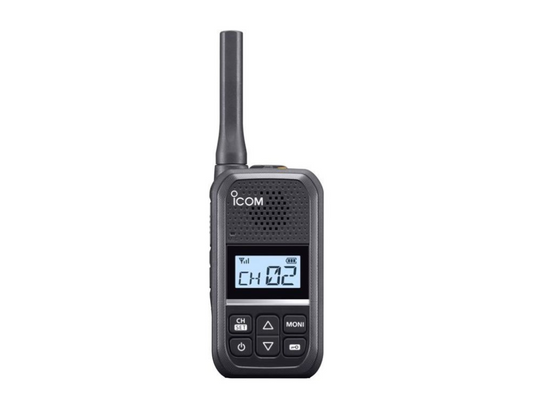
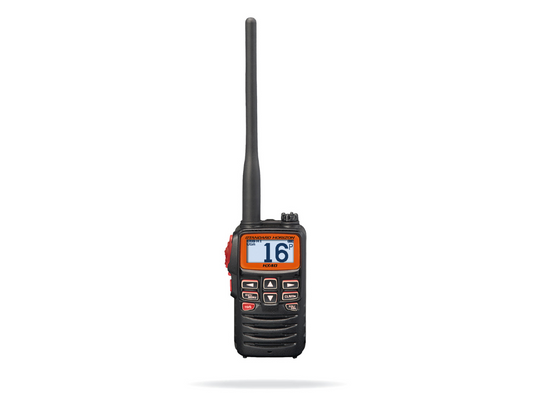
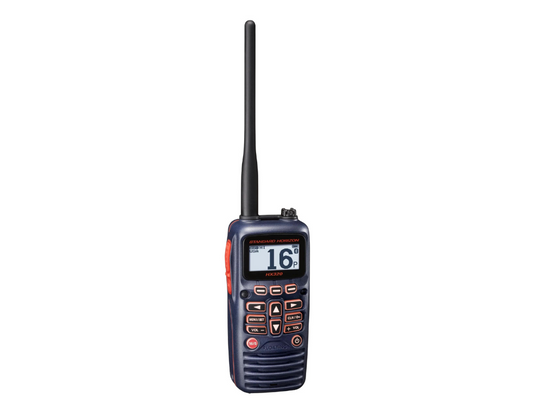
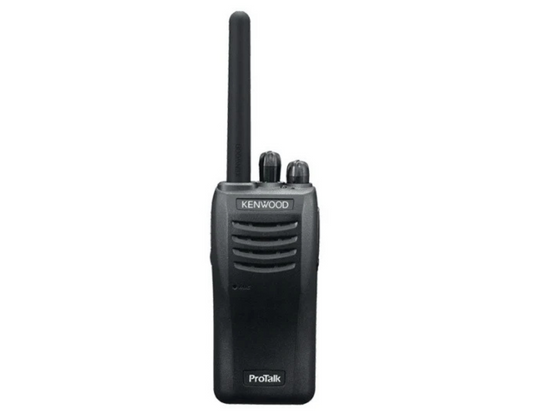
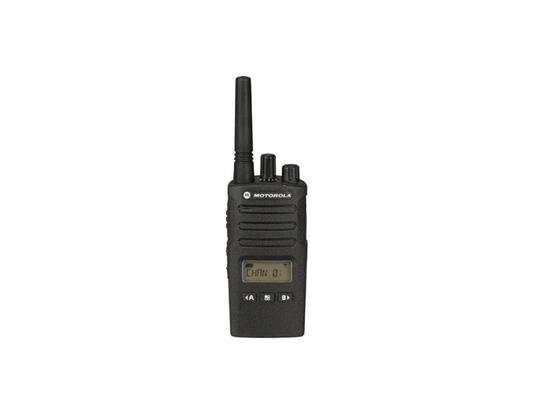
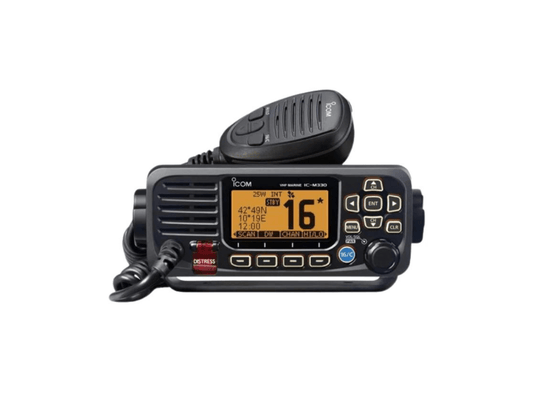
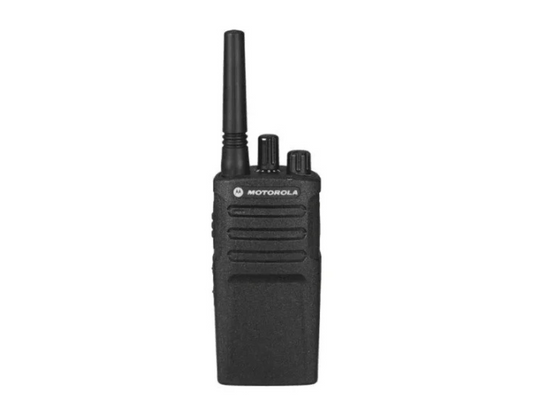
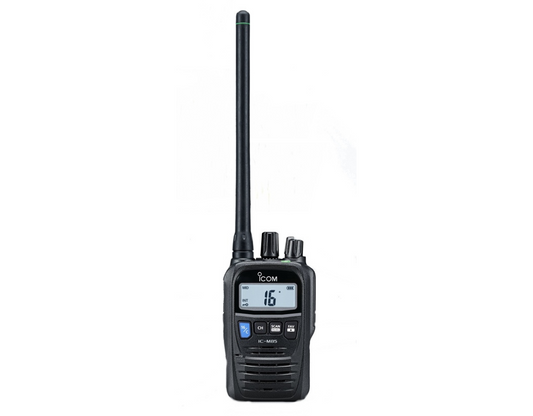
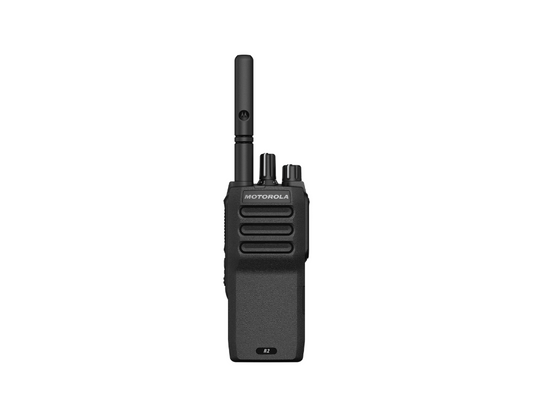
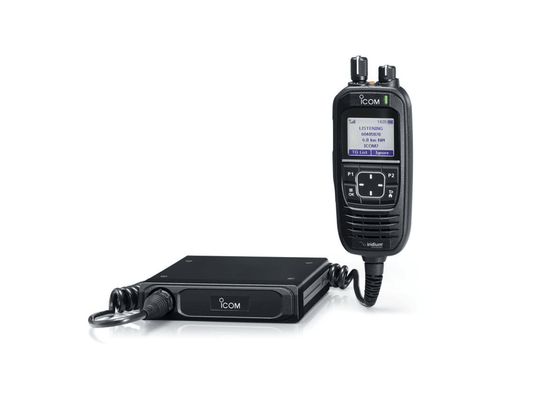
Our collection of two-way radios and walkie talkies offers reliable, high-quality communication solutions for a variety of needs, from business operations to outdoor activities. Whether you're looking for digital two-way radios, compact two-way radios, or professional walkie talkies, we have a range of products designed to keep you connected. Our two-way radios UK selection includes both licensed and license-free radios, ensuring compliance and versatility for different environments.
Radio Solutions from GTC
Two-way radios provide instant voice communication between users without relying on mobile networks or infrastructure. Operating over dedicated radio frequencies, they enable teams to stay connected in real time across a wide range of environments, including construction sites, warehouses, event venues, security operations, and remote outdoor locations. Their simplicity and reliability make them a trusted solution where fast, direct communication is essential.
There are several types of two-way radios available, each suited to different use cases. Licence-free radios, often referred to as PMR446, are designed for straightforward, short-range communication and can be used without any licensing requirements. Licensed radios offer increased power, extended range, and improved performance, making them better suited to professional and large-scale operations where reliability and coverage are critical.
Radios also differ in how they handle signal transmission. VHF radios are typically more effective in open outdoor environments, where signals can travel longer distances with fewer obstructions. UHF radios are better suited to indoor or built-up areas, as their signals are more capable of penetrating walls and structures. In addition, users can choose between analogue and digital technologies, with digital radios offering enhanced audio clarity, improved efficiency, and access to advanced features such as private channels, GPS tracking, and data capabilities.
-
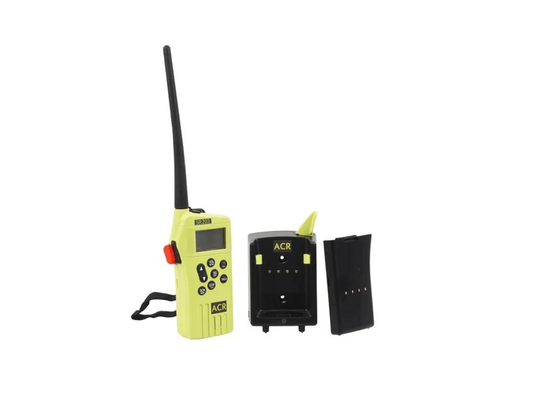
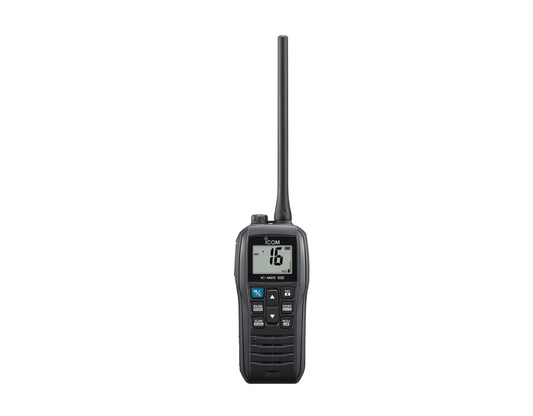
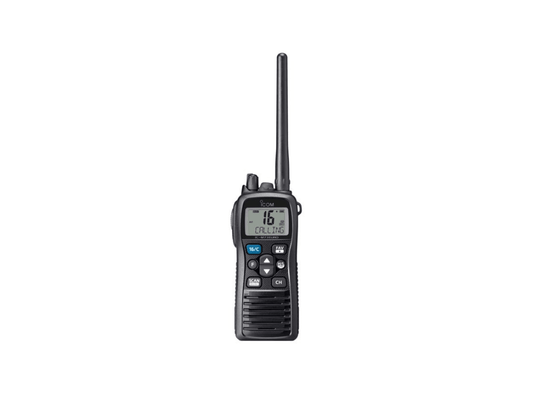
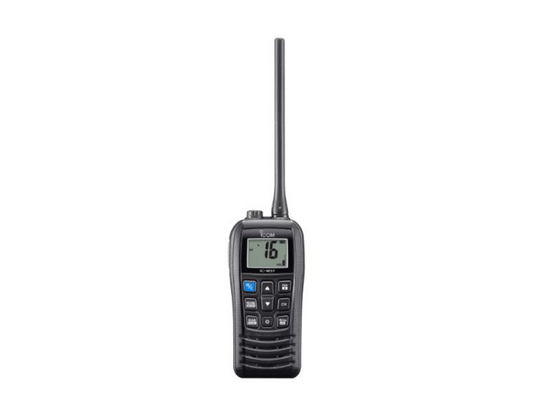
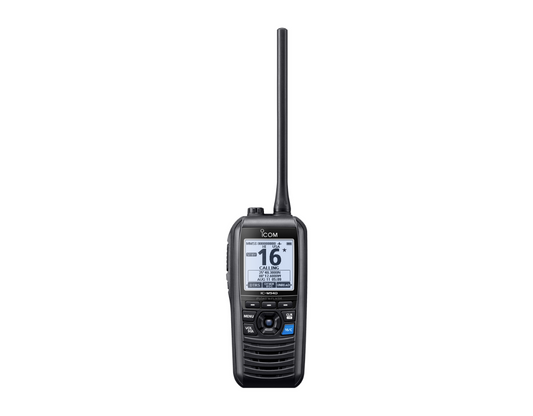
ACR SR203 GMDSS VHF Handheld Radio 2828 (With Battery and Charger)
£600.12(Inc. VAT)
£500.10(Ex. VAT)










Frequently Asked Questions
Not always. Licence-free radios (PMR446) can be used straight out of the box with no licence required. However, licensed radios require an Ofcom licence and are typically used by businesses that need greater range, reliability, and dedicated channels.
Range varies depending on the environment, frequency, and radio power. In open outdoor areas, radios can reach several kilometres, while in built-up or indoor environments the range may be reduced due to obstacles such as walls and structures.
VHF radios are better suited to open, outdoor environments where signals can travel further with fewer obstructions. UHF radios perform better in indoor or urban environments, as their signals can pass through buildings and obstacles more effectively.
For instant group communication, two-way radios are often more efficient. They allow users to speak to multiple people at once with the press of a button and do not rely on mobile networks, making them more reliable in remote areas or during network outages.
Yes. UHF radios are particularly well suited for indoor use, as they handle walls and structures better than VHF radios, making them ideal for warehouses, hotels, and large buildings.
Analogue radios provide simple and reliable voice communication. Digital radios offer clearer audio, better noise reduction, improved battery efficiency, and additional features such as private channels, text messaging, and GPS tracking.
Multiple users can share the same channel, which is ideal for team communication. However, only one person can speak at a time. Licensed systems can offer more channels and reduce interference from other users.