
Your cart is empty

SOS Beacons & Flares
Our SOS emergency beacons act as direct lifelines in an emergency situation at sea. Their sole purpose is to alert search and rescue services to your location. Some beacons are manually activated at the push of a button, while others automatically activate when fully submerged in water.
Locator beacons, epirbs, and flares
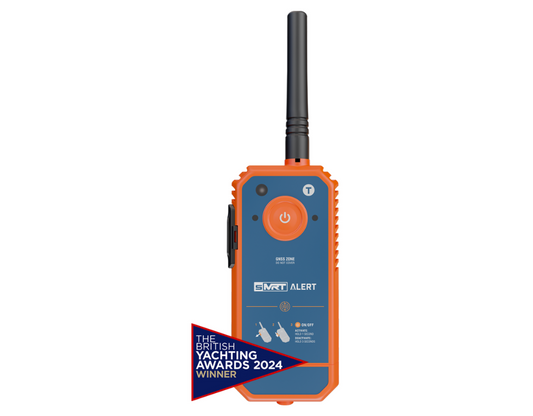
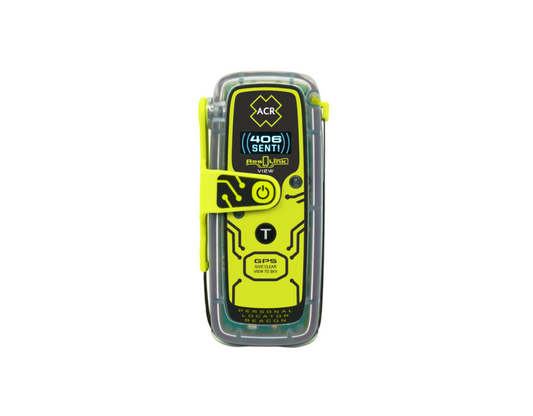
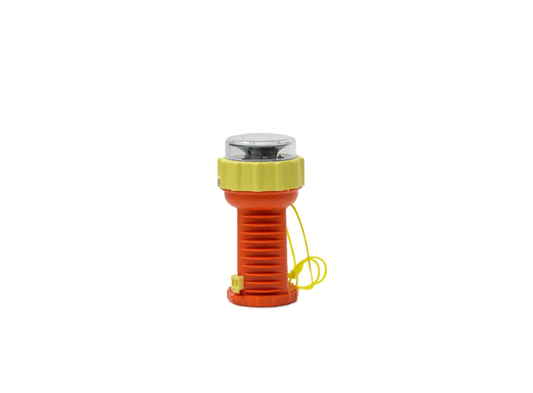
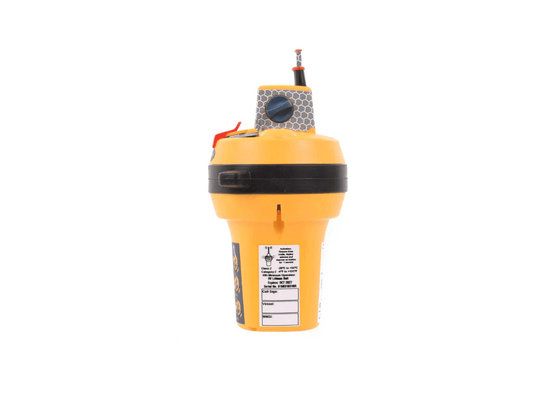
User-friendly. No subscription.
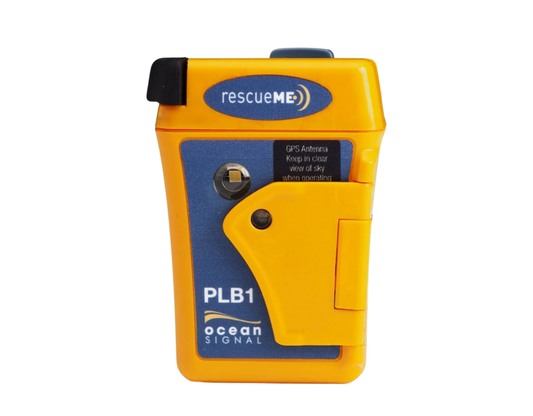
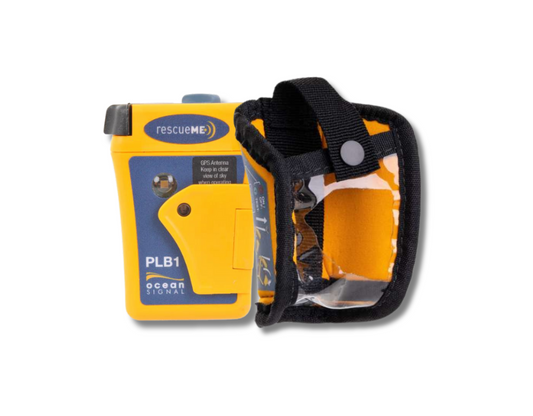
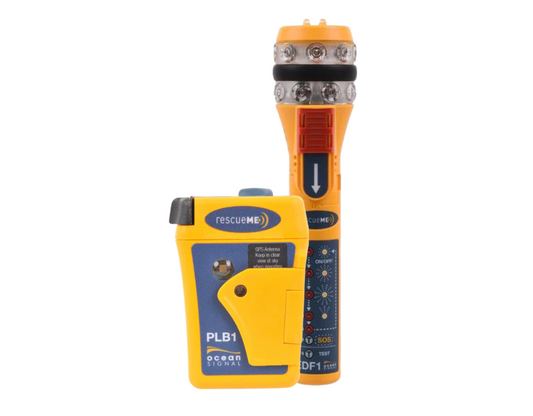
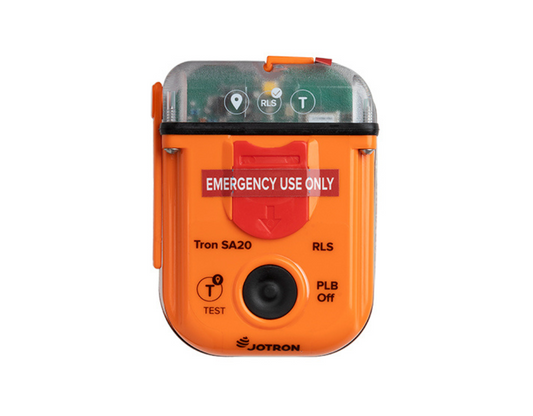
With no subscription costs and an affordable one-off purchase price, our SOS beacons are a great value for money option to address a life-of-death situation. Our Search & Rescue Transponders (SARTs) and Emergency Position Indicating Radio Beacons (EPIRBs) are ideal for zoning in on particular vessels, however, Personal Locator Beacons (PLBs) are the most flexible option as they can be used on land or at sea and don't have to be assigned to a specific boat. Our SOS beacons all come with global coverage, offering peace of mind that wherever you are in the world, your distress call will be heard.
EPIRBs
Although a PLB can be used at sea it is preferable to carry an EPIRB because, when you register your EPIRB, you will be required to enter vessel details. This will give authorities more information on your situation if you do activate the beacon. Automatic models have a higher price but will activate on their own upon submersion in water, while the manual models require the user to activate.

PLBs
For land usage, a PLB is the best option available as you do not have to register with vessel details. McMurdo Fast Find Ranger is a great option, a low-cost device with no unnecessary marine features. For use on land or at sea, consider a maritime PLB such as ResQLink or AquaLink which have additional safety features such as buoyancy and being watertight for up to an hour at a depth of 5 metres.

SARTs
SART Transponders transmit your location to vessels in the vicinity with X Band radar. Your location will show on their radar system with specific symbols to alert them you are in an SOS situation and require assistance.

MOB
AIS Man Overboard (MOB) devices are designed for use by individual crew members or passengers to activate in case of emergency. These small and lightweight beacons can be attached to a lifejacket. Once activated the beacon will transmit your location to any vessels in the area with AIS equipment on board informing them you require assistance.

frequently asked questions
A PLB (Personal Locator Beacon) is designed for individual use, while an EPIRB (Emergency Position Indicating Radio Beacon) is designed for vessels. Both send a distress signal via satellite, but EPIRBs are typically larger, often auto-activate in water, and are intended for maritime emergencies.
When activated, they transmit a 406 MHz distress signal to satellites, which relay your location to search and rescue authorities. This ensures emergency services are alerted and can respond quickly, even in remote areas.
No. These devices use the international COSPAS-SARSAT rescue system, which is free to use. However, they must be registered to a user or vessel so rescue teams can identify the emergency.
An MOB device is a wearable safety beacon, typically attached to a lifejacket, that alerts nearby vessels and provides your location if you fall overboard, helping speed up recovery.
A PLB alerts global search and rescue services via satellite, while an MOB device is designed for local rescue, transmitting your position to nearby vessels within range for faster recovery.
Modern LED flares provide a visual distress signal, producing a bright light to attract attention from nearby boats, aircraft, or people when electronic communication isn’t available.
These devices should only be used in genuine emergencies where there is immediate danger to life. They are designed to trigger search and rescue response and should not be activated for non-critical situations.
Yes. These devices are built for harsh environments and are fully waterproof. Many EPIRBs are designed to float and automatically activate when submerged.
Modern PLBs and EPIRBs use GPS to provide highly accurate location data, often within a few metres, helping search and rescue teams pinpoint your position quickly.