
Your cart is empty

SOS Beacons & Flares
Our SOS emergency beacons act as direct lifelines in an emergency situation at sea. Their sole purpose is to alert search and rescue services to your location. Some beacons are manually activated at the push of a button, while others automatically activate when fully submerged in water.
Locator beacons, EPIRBs, and flares
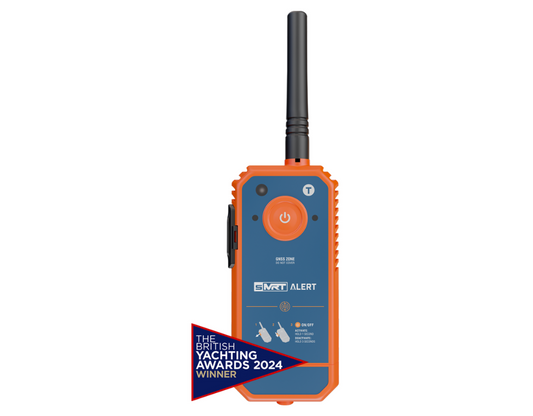

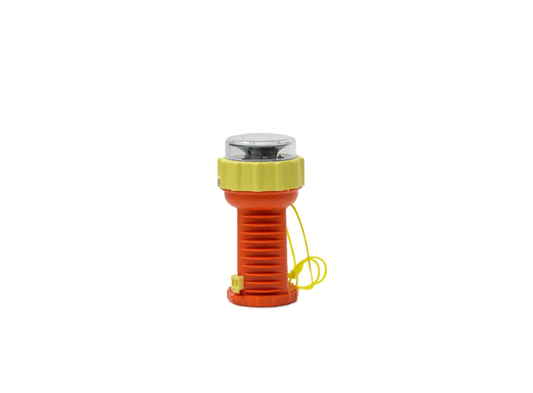
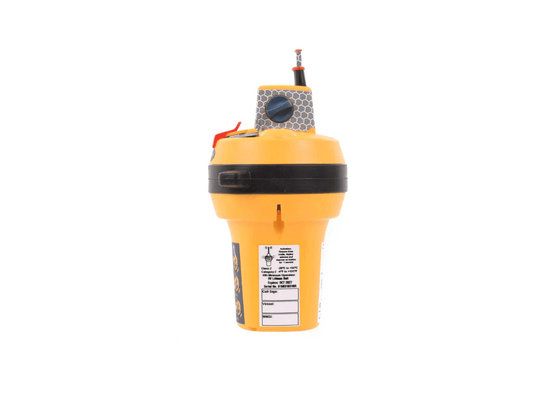
User-friendly. No subscription.
Unlike many satellite communication devices, most SOS beacons do not require an ongoing subscription or airtime plan. Following a one-off purchase and registration, Personal Locator Beacons (PLBs), Emergency Position Indicating Radio Beacons (EPIRBs), and many other emergency beacons provide access to the international COSPAS-SARSAT search and rescue network at no additional cost.
EPIRBs and Search and Rescue Transponders (SARTs) are designed specifically for maritime safety and vessel-based emergencies, while Personal Locator Beacons offer greater flexibility for individuals operating on land, at sea, or in remote environments. This makes PLBs a popular choice for hikers, adventurers, lone workers, sailors, and expedition teams.
With global emergency coverage and reliable distress alerting capabilities, SOS beacons provide a dependable safety solution wherever your activities take you, helping ensure that emergency services can be alerted when it matters most.
EPIRBs
Emergency Position Indicating Radio Beacons (EPIRBs) are designed specifically for maritime emergencies and are an essential piece of safety equipment for offshore vessels, yachts, commercial fishing boats, and recreational craft. When activated, an EPIRB transmits a 406 MHz distress signal and GPS location through the international COSPAS-SARSAT search and rescue satellite network, alerting emergency services to your position.
Unlike a Personal Locator Beacon (PLB), an EPIRB is registered to a vessel rather than an individual. During registration, vessel details and emergency contact information are recorded, helping rescue authorities respond more effectively during an emergency. Many modern EPIRBs also feature automatic activation, deploying and transmitting a distress signal if submerged in water, while manual models require the user to initiate the alert.

PLBs
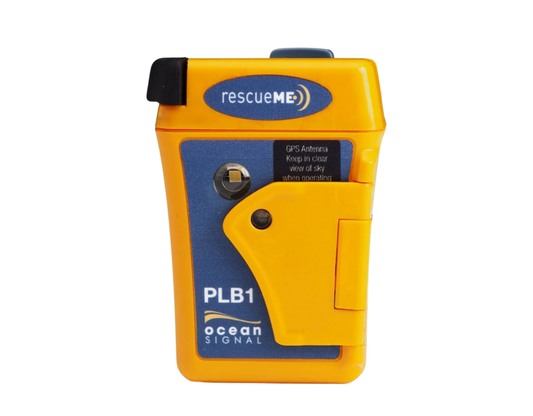
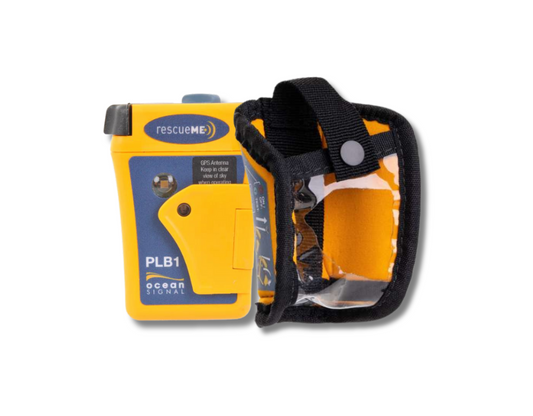
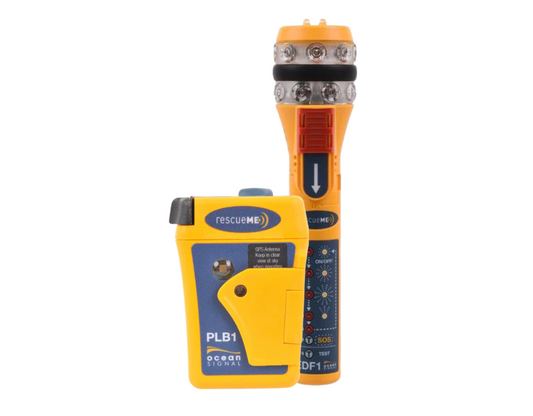
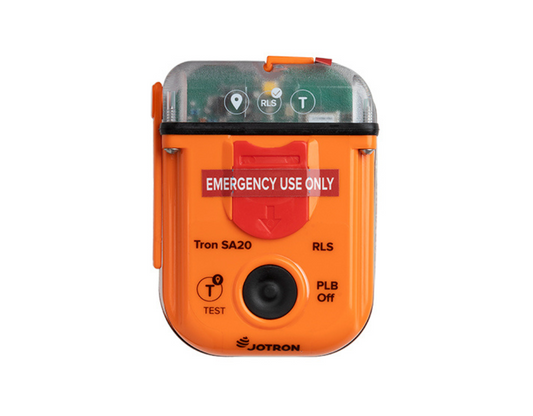
Personal Locator Beacons (PLBs) provide a compact and reliable emergency lifeline for hikers, climbers, adventurers, lone workers, and anyone operating beyond mobile coverage. When activated, a PLB sends a distress alert and GPS coordinates to global search and rescue authorities via the COSPAS-SARSAT satellite network, helping emergency services locate and assist the user.
PLBs are registered to an individual rather than a vessel, making them ideal for land-based activities and remote travel. For marine users, buoyant and waterproof models such as the ResQLink series offer additional protection for use on the water while remaining suitable for land-based adventures. With no subscription fees and global emergency coverage, PLBs are one of the most dependable safety devices available for remote environments.

SARTs
Search and Rescue Transponders (SARTs) are specialised marine safety devices designed to help rescuers locate vessels, liferafts, and survivors during an emergency. When detected by an X-band marine radar system, a SART responds by transmitting a series of signals that appear on the radar display, guiding nearby vessels directly to the casualty's location.
SART devices are commonly carried aboard commercial vessels, lifeboats, and offshore installations as part of mandatory maritime safety equipment. They provide a highly effective method of short-range location assistance during search and rescue operations, particularly when visibility is poor or weather conditions are challenging.

MOB Devices
assistance if they fall overboard. Compact and lightweight, these beacons are typically attached to a lifejacket and can be activated manually or automatically, depending on the model.
Once activated, an AIS MOB beacon transmits the casualty's location using the Automatic Identification System (AIS), allowing nearby AIS-equipped vessels to immediately see the emergency alert and precise GPS position. This enables faster recovery times and significantly improves the chances of a successful rescue. AIS MOB devices are widely used by sailors, offshore crews, racing teams, and maritime professionals as an important layer of personal safety at sea.

Frequently Asked Questions
A PLB (Personal Locator Beacon) is designed for individual use, while an EPIRB (Emergency Position Indicating Radio Beacon) is designed for vessels. Both send a distress signal via satellite, but EPIRBs are typically larger, often auto-activate in water, and are intended for maritime emergencies.
When activated, they transmit a 406 MHz distress signal to satellites, which relay your location to search and rescue authorities. This ensures emergency services are alerted and can respond quickly, even in remote areas.
No. These devices use the international COSPAS-SARSAT rescue system, which is free to use. However, they must be registered to a user or vessel so rescue teams can identify the emergency.
An MOB device is a wearable safety beacon, typically attached to a lifejacket, that alerts nearby vessels and provides your location if you fall overboard, helping speed up recovery.
A PLB alerts global search and rescue services via satellite, while an MOB device is designed for local rescue, transmitting your position to nearby vessels within range for faster recovery.
Modern LED flares provide a visual distress signal, producing a bright light to attract attention from nearby boats, aircraft, or people when electronic communication isn’t available.
These devices should only be used in genuine emergencies where there is immediate danger to life. They are designed to trigger search and rescue response and should not be activated for non-critical situations.
Yes. These devices are built for harsh environments and are fully waterproof. Many EPIRBs are designed to float and automatically activate when submerged.
Modern PLBs and EPIRBs use GPS to provide highly accurate location data, often within a few metres, helping search and rescue teams pinpoint your position quickly.