
Your cart is empty

Satellite IoT Solutions for Remote Monitoring
Monitor, track, and manage assets, equipment, sensors, and infrastructure from virtually anywhere in the world. Satellite IoT technology delivers reliable connectivity beyond the reach of cellular networks, helping organisations improve visibility, automate data collection, and make informed operational decisions.
Satellite IoT Equipment
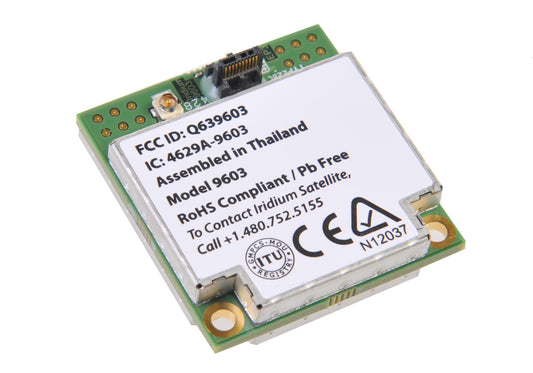
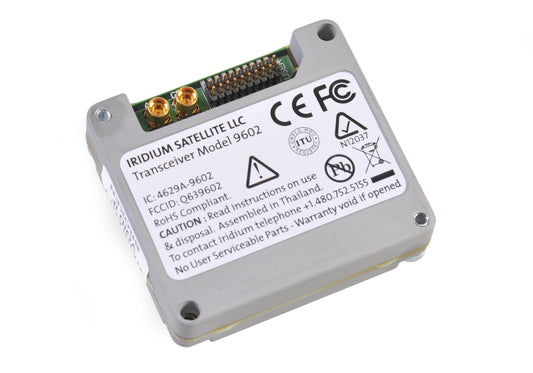
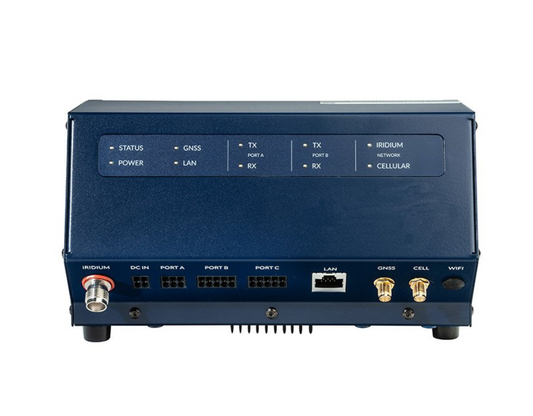
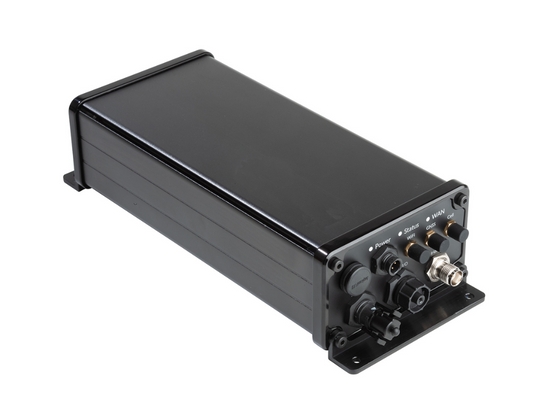
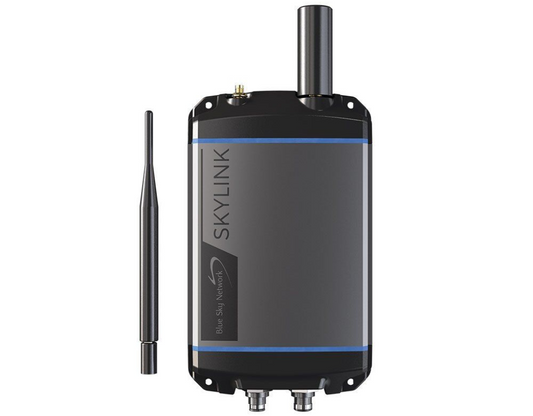
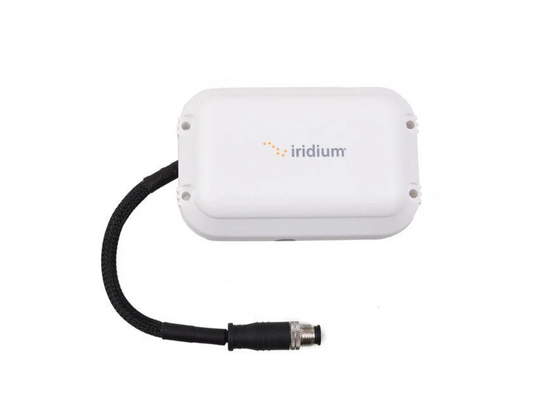


Improving Efficiency in a Commercial Setting
Satellite IoT (Internet of Things) technology enables organisations to monitor, track, and manage assets in remote locations where traditional cellular, Wi-Fi, or wired communications are unavailable. By combining satellite connectivity with sensors, telemetry devices, and machine-to-machine (M2M) communication systems, businesses can collect critical operational data from virtually anywhere in the world.
From environmental monitoring and utility infrastructure management to fleet tracking, industrial equipment monitoring, and maritime operations, satellite IoT solutions provide reliable connectivity across remote, offshore, and hard-to-reach regions. This allows organisations to improve operational visibility, reduce downtime, automate processes, and make faster, data-driven decisions without requiring personnel on-site.
Unlike conventional IoT deployments that rely on terrestrial networks, satellite IoT devices utilise global satellite coverage to transmit sensor readings, asset locations, equipment status information, and environmental data from locations beyond cellular reach. This makes satellite IoT particularly valuable for industries operating in rural areas, offshore environments, remote infrastructure networks, and international logistics routes.
Our range of satellite IoT devices supports a variety of applications including asset tracking, equipment monitoring, smart metering, environmental sensing, predictive maintenance, fleet management, and industrial automation. With options for low-power deployments, solar-powered installations, and scalable remote monitoring systems, satellite IoT provides dependable connectivity wherever your operations take place.
IoT In Maritime
Satellite IoT solutions are transforming maritime operations by providing continuous monitoring of vessels, cargo, containers, offshore assets, and environmental conditions across global shipping routes. Using low-power satellite communications and remote sensor technology, operators can monitor temperature, humidity, fuel levels, equipment status, and asset location even when operating thousands of miles from shore.
For shipping companies, offshore operators, and marine logistics providers, satellite IoT improves visibility throughout the supply chain while helping reduce operational costs, minimise downtime, and enhance asset security. Real-time access to critical vessel and cargo data enables faster decision-making and improved operational efficiency across maritime fleets.

IoT In Construction
Construction projects often operate across large, remote, or temporary sites where reliable communications infrastructure may not exist. Satellite IoT devices enable construction companies to remotely monitor machinery, generators, fuel tanks, environmental conditions, and site assets without relying on local network availability.
By providing real-time equipment monitoring and predictive maintenance data, satellite IoT can help reduce unplanned downtime, improve asset utilisation, and increase operational efficiency. Remote monitoring also supports worker safety initiatives and enables project managers to maintain greater visibility across multiple construction sites from a single platform.

IoT In Logistics
Satellite IoT plays a critical role in modern logistics and supply chain management by delivering continuous visibility of vehicles, containers, trailers, and high-value cargo throughout transit. Remote asset monitoring enables businesses to track location, movement, environmental conditions, and delivery status in real time, even when shipments travel through areas without cellular coverage.
Improved tracking accuracy helps logistics operators optimise routes, enhance security, reduce delays, and provide customers with more reliable delivery forecasting. Satellite IoT solutions also support cold-chain monitoring, fleet management, and theft prevention, helping organisations protect valuable assets throughout the supply chain.

IoT In Utilities
Utility providers increasingly rely on satellite IoT technology to monitor and manage critical infrastructure across geographically dispersed networks. From smart metering and water management systems to power distribution equipment and renewable energy installations, satellite IoT enables remote visibility of operational performance without requiring on-site inspections.
By collecting and transmitting real-time data from remote assets, utility companies can improve maintenance scheduling, reduce operational costs, identify faults more quickly, and improve service reliability. Satellite-connected IoT devices also support infrastructure resilience in rural and hard-to-reach areas where traditional communications networks may be limited or unavailable.

Satellite IoT FAQs
Satellite IoT (Internet of Things) connects remote devices and sensors via satellite networks, allowing you to monitor, track, and manage assets or data in areas without cellular coverage.
Standard IoT relies on Wi-Fi or cellular networks, which limits coverage. Satellite IoT removes that limitation, enabling connectivity in remote, offshore, and hard-to-reach locations where terrestrial networks are unavailable.
Satellite IoT devices can send a wide range of data, including location, temperature, pressure, fuel levels, equipment status, environmental conditions, and custom sensor readings depending on the application.
Satellite IoT is widely used across logistics, agriculture, utilities, oil and gas, maritime, environmental monitoring, and infrastructure, particularly where assets operate beyond mobile coverage.
Most devices are designed for low power consumption, with options including long-life batteries or solar-powered units for long-term, unattended deployments with minimal maintenance.
Transmission frequency is configurable. Devices can send updates as frequently as every few minutes or at longer intervals (hours or days) depending on your requirements and power constraints.
Yes. Satellite IoT platforms allow you to manage and monitor fleets of devices through a single dashboard, with features like mapping, reporting, alerts, and data analytics.
Common networks include Iridium and Globalstar, each offering different strengths in coverage, power efficiency, and data transmission capabilities depending on the use case.
Yes. Satellite IoT solutions typically include encrypted data transmission and secure platforms, ensuring that sensitive operational data is protected during transfer and storage.
The right solution depends on your data requirements, deployment environment, power availability, and reporting frequency. Lower-data, low-power applications suit simplex devices, while more complex use cases may require two-way communication and higher data throughput.