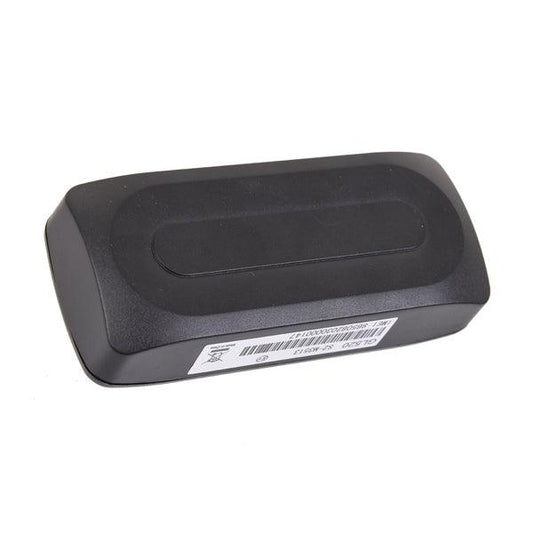
GSM trackers, also known as Global System for Mobile Communications trackers, are tracking devices that use mobile cellular networks alongside GPS technology to provide real-time location monitoring for vehicles, equipment, assets, and personal tracking applications. A GPS GSM tracker determines its position using GPS satellites, then transmits that location data over GSM mobile networks, allowing users to monitor movement and receive updates remotely through a phone, tablet, or computer.
GSM tracking devices are widely used for vehicle tracking, fleet management, asset monitoring, and security applications in areas with reliable mobile network coverage. They offer a practical and cost-effective solution for tracking cars, vans, trailers, machinery, and valuable equipment in urban, suburban, and regional environments. Many GSM trackers also support features such as geo-fencing, motion alerts, ignition monitoring, and real-time notifications to help improve visibility and security.
1. What are GSM trackers used for?
GSM trackers are used to monitor the location and movement of vehicles, assets, equipment, and people in real time. They are commonly used for fleet tracking, theft prevention, asset management, and vehicle security.
2. How do GSM trackers differ from satellite trackers?
GSM trackers rely on cellular mobile networks to transmit location data, making them ideal for areas with good network coverage. Satellite trackers communicate directly with satellites and are better suited for remote or off-grid environments where mobile coverage is unavailable.
3. Do GSM trackers require a SIM card and subscription?
Yes, GSM trackers require a SIM card with an active data or SMS plan to send tracking information over the mobile network. The tracker uses the GSM network to communicate location data to the tracking platform or app.