
Your cart is empty

Satellite Phone SOLUTIONS
Rely on the power of a satellite phone to stay connected from the world's most isolated regions. Built to last in ruggedised housing, our satellite phones are the voice and data solutions needed when there is no conventional connection available.
Satellite Phones from GTC


Iridium 9555 USB-C Satellite Phone + Accessory Kit With SIM Card
£1,036.28 (inc. VAT)
£863.57 (ex. VAT)

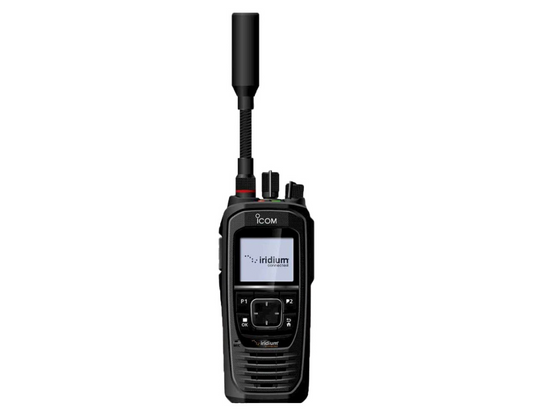

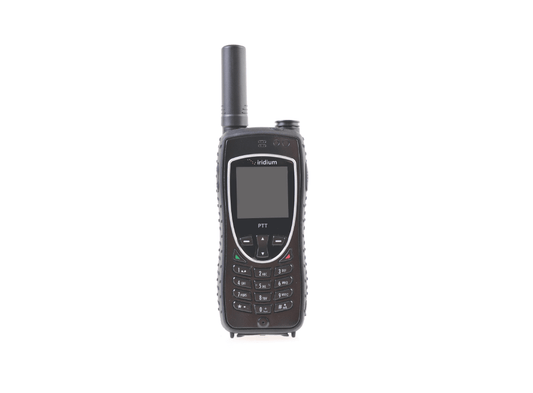
Global voice connectivity
The smartphone in your pocket relies on a network of cellular towers in order to make calls, but there's always the risk of it losing connection if you stray too far off-grid. Our satellite phones eliminate this concern by being connected to a network of orbiting satellites. Harnessing the power of market-leading satellite networks Iridium, Inmarsat, or Thuraya, you can be connected to colleagues, friends, and loved ones back home at the push of a button from anywhere in the world, even where traditional coverage is minimal. The versatility of a satellite phone means their usage can be applied in a wealth of situations from travelling through politically dangerous environments, sparsely populated regions, or as part of a communications strategy in disaster response missions, especially where ground network infrastructures have been destroyed.
Disaster Response
As a means of coordinating a seamless and efficient emergency response mission with reliable streams of communication between rescue teams, a satellite phone fits into any professional response strategy. Its ability to connect from virtually anywhere on the planet means it can bypass any existing, potentially damaged, ground networks, allowing information to be sent and received with ease.

Maritime
Commercial fishing vessels, freight liners, or other workboats need to be properly equipped with a communications system that allows them to connect to other vessels, marine emergency units, or back to shore. A satellite phone system that allows for voice calls, SMS and data sends, and GPS tracking will ensure a duty of care has been put in place for the crew, and enables the vessel's location to be visible in case of an emergency.

Lone Worker
Staff and field operatives sent to remote regions of the world for jobs such as pipeline maintenance, power supply inspection, or safety marshalls at long-distance endurance race events, equipping them with a satellite phone helps to bridge the communication gap between them and the headquarters or ops room. With SOS functionality built-in, our satellite phones are put in place to perform a duty of care for lone workers.

satellite phone faqs
A satellite phone is a mobile device that connects directly to satellites instead of terrestrial cell towers, allowing you to make calls and send messages from almost anywhere on Earth.
Satellite phones are designed for use in remote locations where mobile coverage is unavailable, including oceans, deserts, mountains, and rural areas. Coverage depends on the network, with some offering global or near-global service.
The three primary networks are Iridium, Inmarsat, and Thuraya. Iridium offers true global coverage, Inmarsat provides near-global coverage, and Thuraya focuses on regional coverage across Europe, Africa, Asia, and Australia.
Satellite phones require a clear line of sight to the sky, so they typically do not work well indoors unless used near a window or with an external antenna.
Satellite phones support voice calls, SMS messaging, and in some cases basic data services. They are commonly used for emergency communication, coordination, and staying connected in remote environments.
Yes. Satellite phones operate independently of terrestrial infrastructure, making them highly reliable during disasters or outages when mobile networks are down or unavailable.
Yes. Satellite phones require airtime, either through prepaid vouchers or monthly plans, depending on how you plan to use the device.
Choosing the right device depends on where you need coverage, how you plan to use it, and your budget. For example, Iridium suits global use, while Inmarsat and Thuraya may be more cost-effective in specific regions.
Satellite phones are typically more expensive than standard mobile phones, both in terms of hardware and call costs, but they provide critical connectivity where no other options exist.