
Your cart is empty
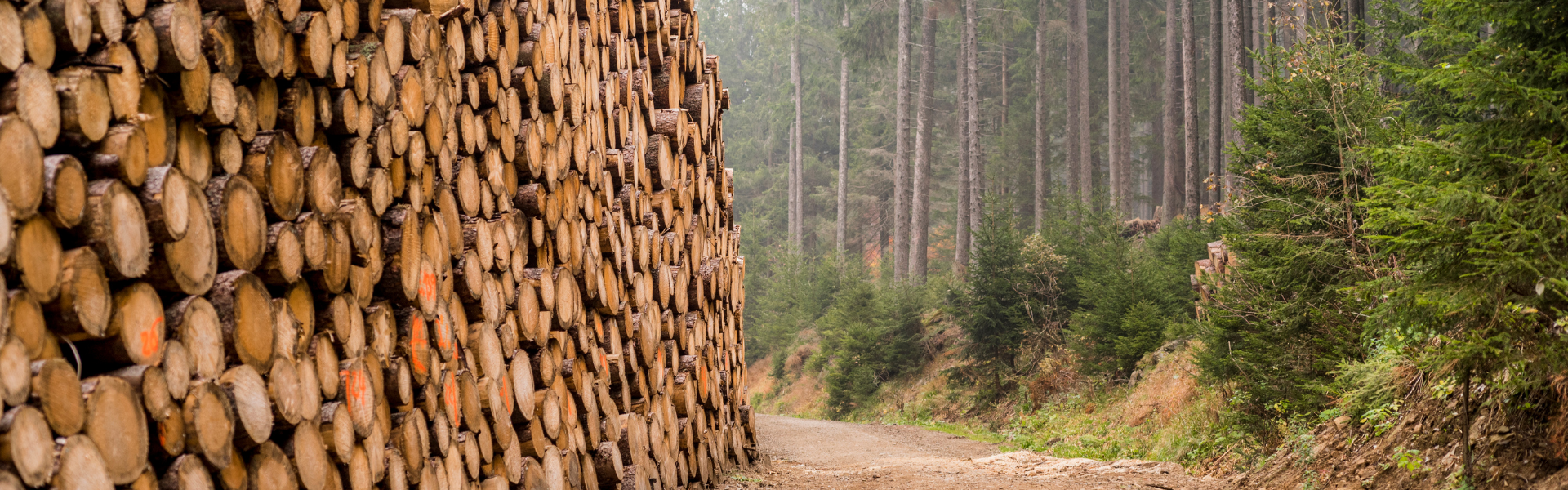
Satellite Solutions for Forestry & Lone Worker
Connectivity in forestry and lone worker
Lone working is common across forestry operations. Whether carrying out inspections, operating machinery, or managing land, workers are often spread across large areas with limited supervision and restricted access to immediate support.
In these environments, poor connectivity creates real risk. Without a reliable way to communicate or share location, even minor incidents can escalate into serious situations due to delayed response times.
Ensuring that lone workers remain visible and reachable at all times is a key part of modern duty of care in forestry.
Staying Connected Beyond Mobile Coverage
Traditional communication tools are often limited in forest environments. Dense tree cover, uneven terrain, and distance from infrastructure can reduce or completely block mobile signal.
Satellite communication devices overcome this by connecting directly to orbiting satellite networks, allowing workers to stay in touch regardless of location. This enables:
- Two-way messaging between workers and base teams
- Reliable location sharing across large forest areas
- Communication in areas where mobile and radio coverage is limited
This level of connectivity helps ensure that workers are never truly out of reach, even when operating alone.
KEY APPLICATIONS

Communication in Remote Areas
Forestry work takes place far beyond the limits of cellular coverage, where consistent communication is critical for both safety and efficiency. Satellite phones and messaging devices provide a dependable link between teams, supervisors, and base operations, ensuring everyone stays connected no matter how remote the location.

Asset Tracking for Machinery & Equipment
High-value forestry equipment is often spread across large, hard-to-access areas. Satellite asset trackers give you real-time visibility of machinery and vehicles, helping to reduce theft, improve utilisation, and maintain control of your operation even in off-grid environments.

Lone Worker Safety & Emergency Response
Forestry workers are frequently operating alone in hazardous conditions. Satellite-enabled devices allow workers to share their location, check in regularly, and trigger SOS alerts when needed, ensuring help can be deployed quickly when it matters most.
Devices for lone worker environments


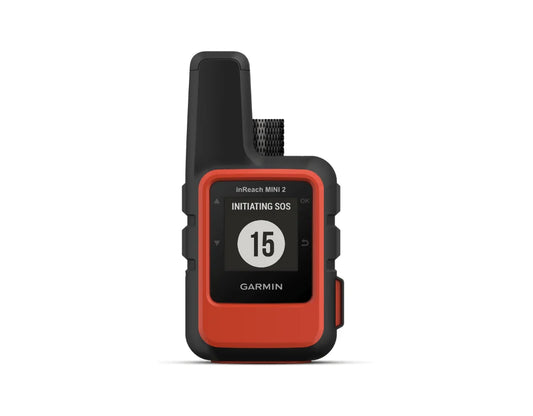
Certified Used - Garmin inReach® Mini 2 (Flame Red)
£217.49£195.74 (inc. VAT)
£181.24
£163.12 (ex. VAT)
CASE STUDY
See how satellite tracking is already supporting lone worker safety in UK forestry operations in this real-world Forestry Commission case study.


