
Your cart is empty

Satellite Phones from GTC
Explore our wide selection of satellite phones for personal use or emergency situations, with top brands including Iridium, Inmarsat, and Thuraya. Shop competitive prices on sat phones and don’t forget to check out our accessories to enhance your experience
-
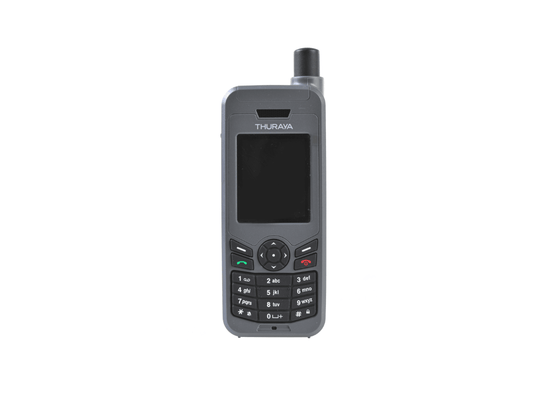
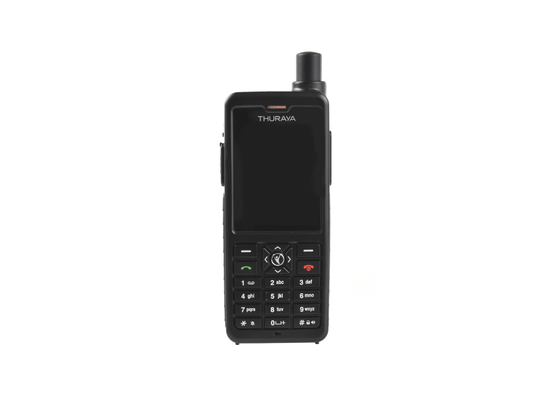
Certified Used - Thuraya XT LITE Satellite Phone - Grade C
£372.40£363.08 (inc. VAT)
£310.33 £302.57 (ex. VAT) -

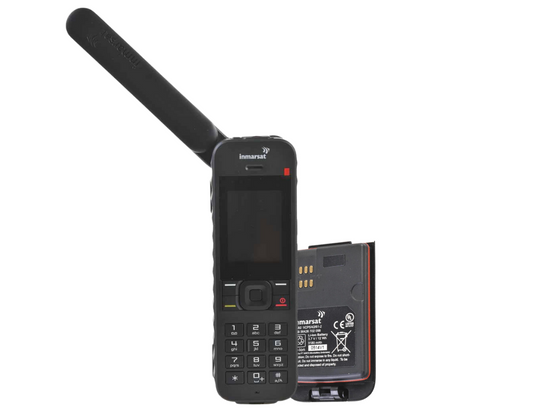
Certified Used - Inmarsat IsatPhone 2 Satellite Phone - Grade B
£553.48£539.64 (inc. VAT)
£461.23 £449.70 (ex. VAT) -

Certified Used - Iridium 9555 Satellite Phone - Grade D
£812.84£792.52 (inc. VAT)
£677.37 £660.43 (ex. VAT) -

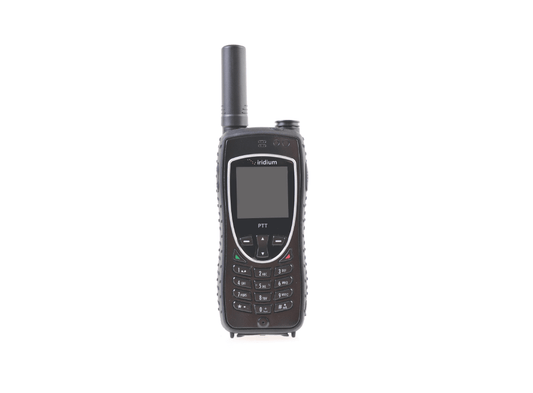
Certified Used - Iridium Extreme® Satellite Phone
£1,032.96£1,007.14 (inc. VAT)
£860.80 £839.28 (ex. VAT) -

Certified Used - Cat® S75 Satellite Phone - DEVICE ONLY - Grade C
£358.80£349.84 (inc. VAT)
£299.00 £291.53 (ex. VAT) -

Certified Used - Thuraya X5 Touch Satellite Phone (defective, selling for parts) - Grade D
£926.56£903.40 (inc. VAT)
£772.13 £752.83 (ex. VAT) -

Iridium 9555 USB-C Satellite Phone + Accessory Kit With SIM Card
£1,036.28 (inc. VAT)
£863.57 (ex. VAT)










Satellite Phones from GTC
Satellite phones are mobile devices that connect directly to satellites in orbit rather than relying on terrestrial mobile networks. This allows users to make voice calls, send SMS messages, and in many cases trigger SOS alerts from locations where traditional coverage is unavailable, including offshore environments, rural areas, disaster zones, and remote international regions.
Unlike standard smartphones, satellite phones operate through dedicated satellite constellations such as Iridium and Inmarsat. These networks enable communication across vast areas where land-based infrastructure does not exist or may be unreliable. This makes satellite phones a practical solution for safety, business continuity, and operational communications in environments where staying connected is critical.
There are several types of satellite phone to consider. Some are designed for straightforward voice and messaging, offering simple, dependable communication for occasional use or emergency backup. Others include additional features such as GPS positioning and SOS functionality, which can support lone worker safety or field operations. Battery life, durability, and ease of use can also vary between models, with certain devices built specifically for demanding outdoor conditions.
Choosing the right satellite phone often depends on where it will be used and how frequently communication is required. Some users prioritise global coverage for travel or expedition work, while others focus on strong regional performance for offshore or remote projects. Understanding these differences helps new users select a handset that aligns with their operational needs and ensures they are properly equipped to stay connected when conventional networks fall short.
Bestselling Satellite Phones

Iridium extreme
Built for mission-critical communications, the Iridium Extreme combines truly global coverage with a hardened design for use in the world's harshest environments. Integrated GPS, one-touch SOS, and IP65 ingress protection make it ideal for demanding field operations where communication is vital.

iridium 9555
The Iridium 9555 delivers dependable voice and SMS connectivity, ensuring consistent communication anywhere on Earth. With a straightforward interface, external antenna support, and proven durability, it is a trusted solution for users who need simple, reliable global coverage.

inmarsat isatphone 2
Engineered for dependable performance in open-sky environments, the IsatPhone 2 operates on Inmarsat’s near-global network to provide voice, SMS, and GPS location services. Long battery life, robust build quality, and strong signal retention make it a cost-effective choice for remote work and emergency preparedness.
CHOOSING THE RIGHT SATELLITE PHONE
Choose the Right Airtime Plan
Match the airtime to how often you’ll use it. Monthly plans suit ongoing operations, while pay-as-you-go is ideal for occasional travel, seasonal work, or contingency use.
Define Your Purpose
Think about why you need it. A sat phone used purely for emergency backup has different requirements to one used for regular offshore check-ins, remote project updates, or lone worker safety.
Consider Your Location
Choose a network that aligns with where you’ll actually be using the phone. For example, global travel or polar routes may require wider coverage, while offshore or regional operations may suit a different network.
Back-up Or Primary Use?
If the satellite phone is mainly for emergency fallback, simplicity and readiness matter most. If it’s intended for ongoing operational use, reliability, usability, and airtime flexibility become more important factors.
Frequently Asked Questions
Explore our wide selection of satellite phones for sale, whether you're looking to buy satellite phones for personal use or need an emergency satellite phone for peace of mind, we have the perfect solution. Browse our satellite phones collection, featuring competitive satellite phones at a great price and various sat phone options. Don't forget to check out our satellite phone accessories to enhance your communication experience. including the best satellite phones from top brands like Iridium Satellite Phones, Inmarsat Satellite Phones, and Thuraya Satellite Phones.
Satellite phones work anywhere with a clear view of the sky, including remote parts of the UK, at sea, or on expeditions abroad, unlike mobile phones, they don't rely on ground-based towers.
Iridium offers full global coverage, Inmarsat covers most of the world (excluding polar regions), and Thuraya serves Europe, Asia, and parts of Africa, each suited to different travel needs.
No, satellite phones require a dedicated SIM card and airtime plan from a satellite provider. GTC offers both pay-as-you-go and contract options.
Not at all. They work much like a standard mobile, with a simple menu interface. GTC provides full setup guidance and support if needed.
They need line-of-sight to the sky. For use inside vehicles or buildings, you’ll want an external antenna, GTC can advise on the right accessories.